How to Generate Lifestyle Product Photos That Look Believable
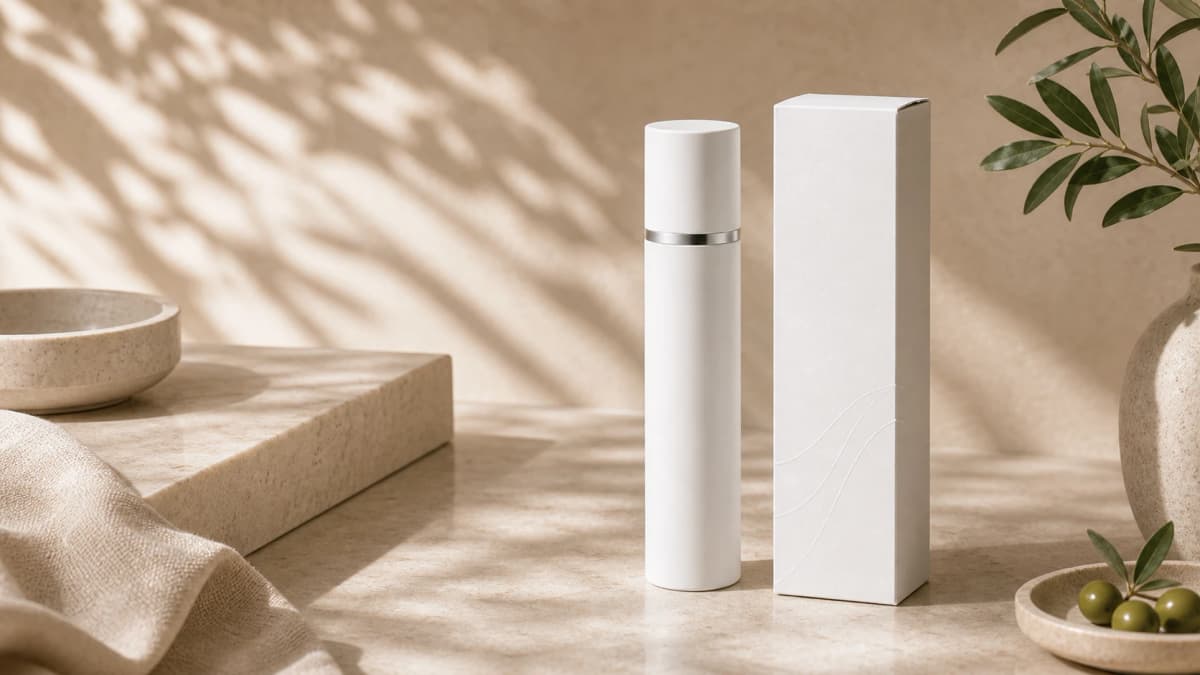
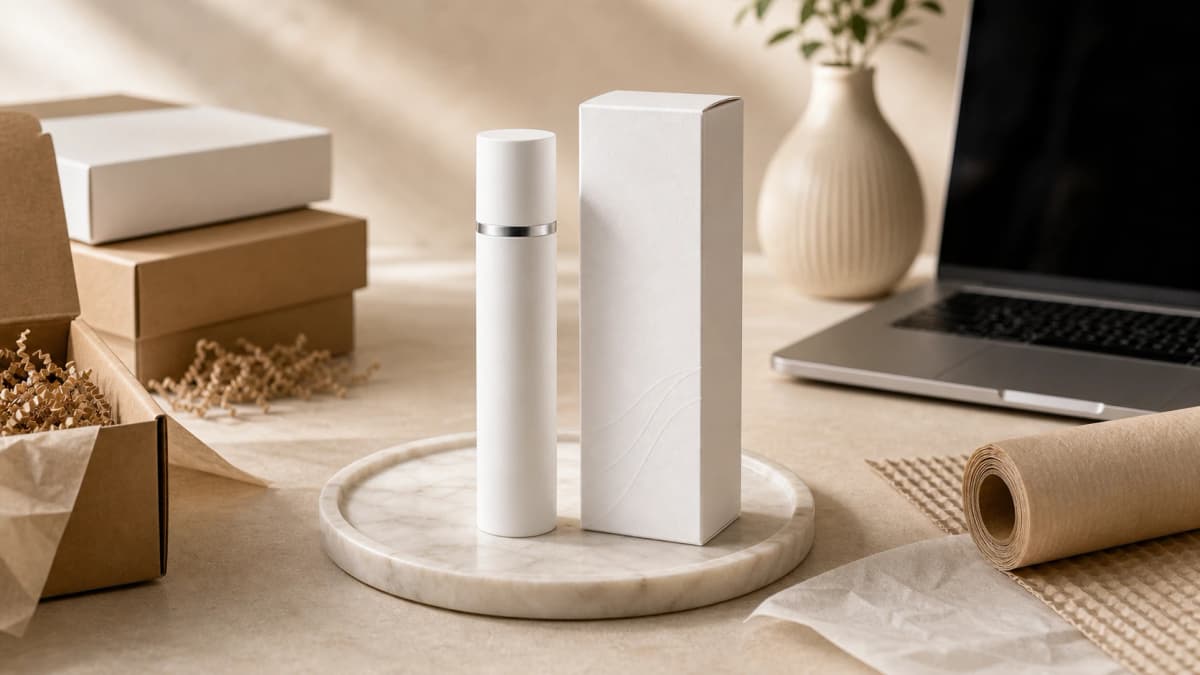
Learn how to generate lifestyle product photos with better scenes, prompts, lighting, scale, and product accuracy for ecommerce listings.
Start with a sharp product source image
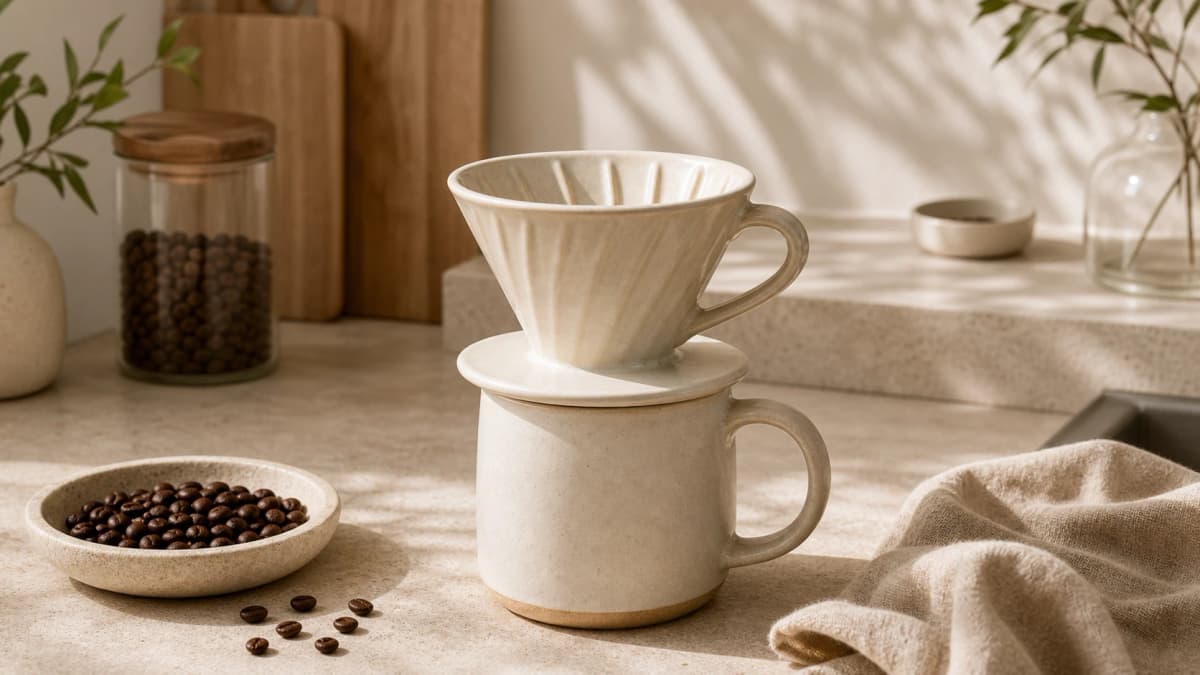
AI lifestyle product photography is only as trustworthy as the source image. Use a clean product photo with visible edges, accurate color, and minimal obstruction. If the source image is blurry or cropped, the generated scene will often look inconsistent.
A good source image does not need to be a studio masterpiece. It needs to show the exact product shape, label, material, and color clearly enough for the generated image to preserve them.
- Use one product per source image when possible.
- Avoid reflections that hide labels or edges.
- Crop with enough margin around the product.
- Use the most current packaging or product version.
Choose a scene that matches buyer intent
A lifestyle scene should show where the product belongs in the buyer's life. A coffee mug on a desk, serum on a bathroom shelf, tote bag at a market, or candle on a bedside table communicates use faster than abstract styling.
Avoid scenes that are too cinematic for the product. The goal is believable context, not a fantasy image. If the product is affordable and everyday, an overly luxurious scene can reduce trust.
- Match the scene to the real customer routine.
- Use props that explain use, size, or occasion.
- Keep the product as the visual priority.
- Avoid props that suggest features the product does not have.
Write prompts with constraints, not just adjectives
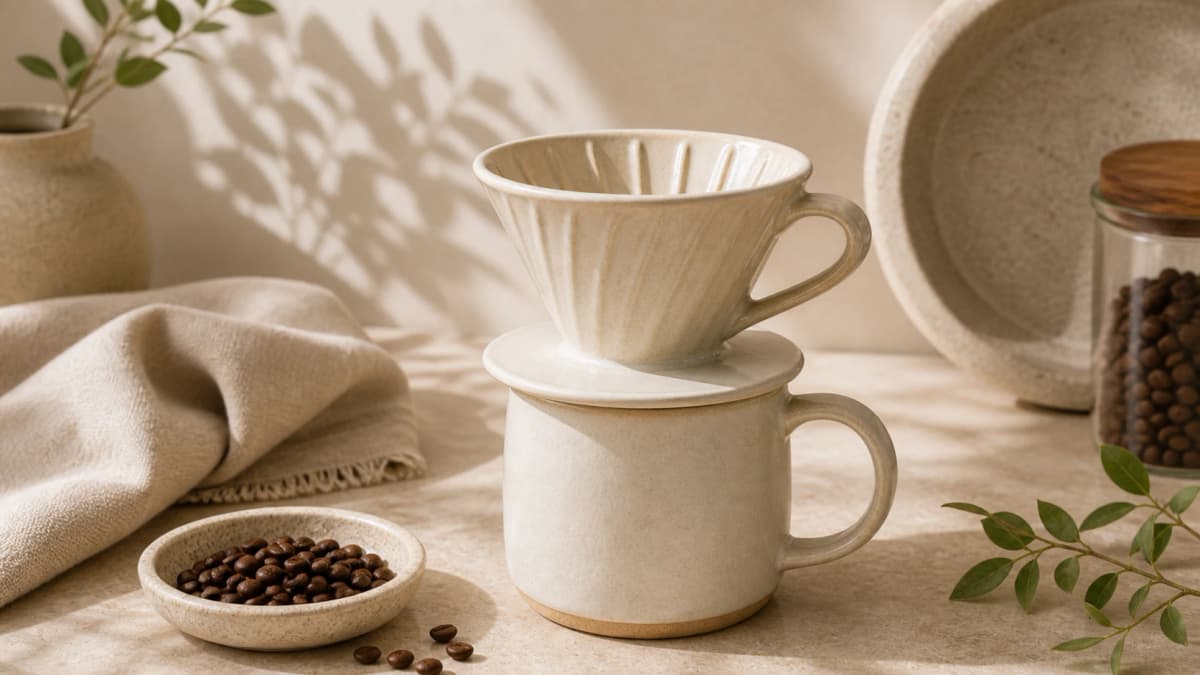
Prompt quality improves when you describe the product placement, camera angle, light, background, props, and exclusions. Vague phrases like premium lifestyle photo are less useful than a concrete scene with clear constraints.
A practical prompt format is: product role, scene, surface, lighting, camera angle, mood, props, and negative instructions. This gives the model enough direction without overloading it.
- Example: place the product upright on a warm bathroom shelf.
- Add light direction, such as soft morning window light from the left.
- Specify camera framing, such as square ecommerce crop.
- Exclude extra logos, unreadable text, duplicate products, and distorted labels.
Check scale and contact shadows
Believability often fails at scale. A skincare bottle may look too large beside a sink, a candle may float above a table, or a bag strap may sit at an impossible angle. Review the generated image like a product photographer would.
Contact shadows are a useful quality signal. The product should sit naturally on the surface, with shadow direction matching the scene light. If the shadow is missing or inconsistent, regenerate with a clearer placement instruction.
Create variations for channels, not random options
Generate lifestyle product photos with a publishing plan. One scene can be for the product page, one for a social ad, one for email, and one for seasonal merchandising. This keeps variation useful instead of creating a folder of images nobody uses.
Save the prompts that work. Over time, your brand prompt library becomes a repeatable system for launches, bundles, seasonal campaigns, and marketplace listings.
Frequently asked questions
What makes an AI lifestyle product photo look realistic?
Realistic lifestyle photos preserve product shape and color, use believable scale, match shadows to lighting, and place the product in a scene that fits real customer use.
Should lifestyle product photos replace studio photos?
No. Use studio-style images for clarity and lifestyle images for context. The strongest listings usually use both.
How do I write a better product photo prompt?
Describe the scene, surface, light, camera angle, product placement, props, and exclusions. Specific constraints produce more useful results than generic style words.
Generate believable lifestyle scenes
Upload a product photo, choose a product use case, and create lifestyle images for listings and campaigns.